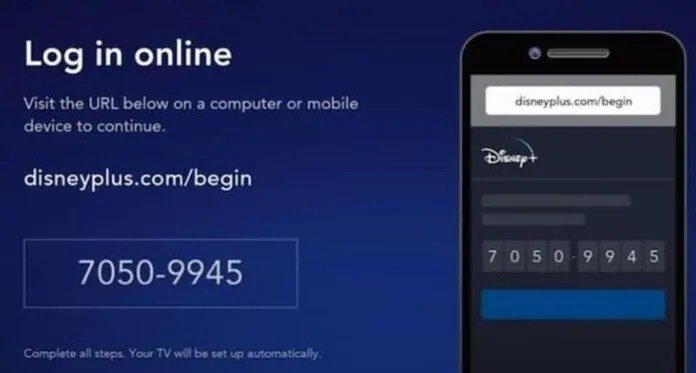
Embarking on any Disney adventure, whether it's planning a magical park visit or diving into a galaxy far, far away on Disney+, inevitably begins with one crucial step: Disney Account Creation & Registration. While seemingly straightforward, this gateway to all things Disney comes with an often-overlooked layer of privacy settings and opt-out choices that are critical to understand. It’s not just about picking a username and password; it's about making informed decisions regarding your personal data in the vast Disney ecosystem.
Think of it as setting sail on a grand journey. You wouldn't just jump on the ship without knowing the route or what cargo you're carrying, would you? Similarly, understanding how your information is handled from the outset can enhance your experience and give you greater control over your digital footprint. This guide is your compass for navigating the ins and outs of Disney account setup, with a sharp focus on protecting your privacy from the first click.
At a Glance: Your Privacy Navigator
- Quick Account Setup: Learn the simple steps to create your Disney account for various services.
- Understanding Disney's Data Use: Discover what "targeted advertising," "selling," and "sharing" mean in the Disney context.
- Your Opt-Out Rights: Find out how to exercise your right to opt out of certain data activities.
- Cookie-Based Choices: Grasp why your privacy choices might be specific to each Disney digital property and browser.
- Global Privacy Control (GPC): Understand how universal tools can simplify your privacy preferences.
- Impact of Opting Out: Learn what changes (and what doesn't) when you adjust your privacy settings.
- Managing Existing Accounts: Tips for reviewing and updating your privacy preferences post-registration.
The Foundation: Building Your Disney Digital Identity
Before we delve into the nuances of privacy, let's cover the basics of creating your Disney account. Whether it's for Disney+, Disney World, Disneyland, ESPN+, Hulu (if bundled), or shopDisney, the core process is remarkably similar, designed for consistency across the Walt Disney Family of Companies. You're essentially creating a single, universal profile that can link to multiple Disney services.
Step-by-Step: Your First Disney Account
- Choose Your Entry Point: You'll typically start on a specific Disney digital property's registration page—perhaps
disneyplus.com/identity/sign-upfor streaming, ordisneyworld.disney.go.com/registration/if you're planning a park trip. - Provide Essential Information: You'll be asked for basic details:
- Email Address: This will become your primary username and communication channel.
- Password: Choose a strong, unique password. Disney will usually guide you on complexity requirements.
- First and Last Name: For personalization and verification.
- Date of Birth: Crucial for age-gating content and services, especially for children.
- Gender (Optional): Often an optional field for demographic data.
- Country/Region: Important for content rights and localized services.
- Review Terms of Service and Privacy Policy: This is a crucial, yet often rushed, step. Before clicking "Agree" or "Create Account," take a moment. Disney's Privacy Policy is a comprehensive document outlining how your data is collected, used, and shared. Understanding it forms the bedrock of making informed privacy choices.
- Initial Opt-In/Out Choices: During registration, you might encounter initial checkboxes or toggles for marketing communications, email newsletters, or partner offers. Pay close attention to these default settings.
- Verification: You might receive an email to verify your address, ensuring the account is legitimate and yours.
Once these steps are complete, congratulations, you've established your Disney digital identity! Now, the real work begins: understanding and managing your privacy.
Decoding Disney's Data Practices: What's Happening Behind the Scenes?
Disney, like most modern media and entertainment giants, operates a vast digital ecosystem. Every click, every show watched, every product browsed, every park reservation made generates data. This data helps Disney:
- Personalize Experiences: Recommend shows, suggest relevant merchandise, tailor park information.
- Improve Services: Understand user behavior to refine apps, websites, and offerings.
- Deliver Relevant Advertising: Show you ads that are more likely to interest you.
While these practices aim to enhance your experience, they involve the collection and processing of your personal information. This is where understanding terms like "targeted advertising," "selling," and "sharing" becomes paramount, especially given the rights afforded to consumers in various states.
The Ground Rules: Targeted Advertising, Selling, and Sharing
Disney's own privacy notices, such as those found on disneyworld.disney.go.com/registration/, clearly lay out how they handle these categories.
- Targeted Advertising: This refers to showing you ads based on your personal information and activities across different websites, apps, and services. For example, if you've been browsing Disney cruise information, you might start seeing ads for cruises on other sites. The goal is to make ads more relevant to you.
- Selling Personal Information: In some privacy frameworks, "selling" is broadly defined. It doesn't always mean directly exchanging your data for cash. It can encompass sharing data with third parties in exchange for any value, even if it's just insights or services that benefit the data collector. It's about providing your information to another entity for their use.
- Sharing Personal Information: This often overlaps with selling, particularly concerning targeted advertising. It involves making your data available to third parties. For instance, Disney might share data with an advertising partner so that partner can then serve you targeted ads on Disney's behalf or across their own networks.
The key takeaway is that these activities, while often designed to personalize your experience, involve your data moving beyond Disney's direct control to some extent, potentially reaching third parties. This is precisely why having robust opt-out options is so important.
Exercising Your Power: Opting Out of Data Activities
Disney provides mechanisms for you to opt out of certain data processing activities. This isn't just a nicety; it's a right mandated by privacy laws in several states (like California, Virginia, Colorado, etc.).
The On-Property Toggle: Your First Line of Defense
According to Disney's notices, you'll often find a toggle (an on/off switch) on their digital properties that allows you to opt out of "targeted advertising," "selling," or "sharing" activities on that specific property.
- How it Works: When you move the toggle to the "off" position (or left), you're instructing Disney not to use your personal information collected on that particular website or app for these defined activities.
- Property-Specific: This is a crucial detail. Your opt-out choice is tied to the specific digital property you're on. If you opt out on
disneyworld.disney.go.com, that choice typically doesn't automatically apply todisneyplus.comorshopdisney.com. You'll need to make your election for each property. - Cookie-Based: These opt-out choices are generally implemented using online cookies. This means:
- Clear your cookies? You might need to opt out again.
- Use a different browser? You'll need to opt out again in that browser.
- Use a different device? You'll need to opt out again on that device.
This can feel like a bit of a whack-a-mole game, but it’s the standard way many online privacy preferences are managed. Being aware of this limitation helps you maintain consistent privacy settings across your devices and browsing habits.
Embracing Automation: The Global Privacy Control (GPC)
For those looking for a more streamlined approach, the concept of a Global Privacy Control (GPC) is a welcome development. GPC is a universal tool, often implemented as a browser extension or a built-in browser setting, that automatically communicates your privacy preferences (specifically, your desire to opt out of data selling/sharing) to websites you visit.
- How Disney Handles GPC: Disney explicitly states they will process a GPC signal as a request to opt out. This means if you have GPC enabled in your browser, and you visit a Disney digital property, Disney should automatically honor your opt-out preference for that property without you needing to manually flip a toggle.
- Why GPC Matters: It simplifies the process, reducing the need for repetitive manual opt-outs across numerous sites and ensuring your preferences are automatically communicated. It's a powerful tool for consumer privacy.
While GPC is an excellent step forward, remember that its effectiveness relies on both the user enabling it and the website respecting the signal. Disney's commitment to processing GPC signals as an opt-out request demonstrates a significant step towards respecting user privacy preferences.
The Aftermath of Opting Out: What to Expect
It’s a common misconception that opting out of "targeted advertising," "selling," or "sharing" means you'll see no more ads. That's usually not the case.
- You'll Still See Ads: If you opt out, you'll likely continue to see advertising. However, these ads may be less relevant to your specific interests. They might be contextual (e.g., an ad for a new Disney+ show while you're on Disney+), or they might be based on general demographics rather than your detailed browsing history. They might also include ads based on personal information processed before you opted out.
- Reduced Personalization: The primary change will be a reduction in how personalized your ad experience is. Your data won't be used to target you with specific ads based on your observed behavior on that property.
- Continued Data Collection (for other purposes): Opting out of targeted advertising, selling, or sharing doesn't mean Disney stops collecting data entirely. They still need to collect data for essential operational purposes, such as account management, service delivery, security, and general analytics to improve their offerings. Your opt-out focuses on specific uses of that data.
Navigating Third-Party Opt-Outs
Another critical point from Disney's privacy notice is that you may have rights to opt out from certain third parties selling and sharing your personal information.
- Separate Action Required: Disney's opt-out mechanisms typically cover their direct use and sharing of your data. However, if your data has already been shared with or independently collected by other third parties (e.g., ad networks, data brokers), you will need to separately exercise your opt-out rights with each of those entities.
- Why This Matters: This highlights the distributed nature of online advertising and data ecosystems. Protecting your privacy often requires a multi-pronged approach, engaging with multiple parties. This can be complex, but resources from privacy advocacy groups and government agencies can offer guidance on how to identify and contact such third parties.
Beyond Registration: Managing Your Account & Preferences
Your privacy journey doesn't end with account creation. It's an ongoing process. Disney provides tools within your account settings to manage your preferences over time.
Where to Find Your Privacy Controls
- Account Settings: After logging into a Disney service (like Disney+ or your Disney World profile), navigate to your "Account," "Profile," or "Settings" section.
- Privacy Settings Section: Look for a dedicated "Privacy," "Data Choices," or "Communication Preferences" area. This is where you can typically:
- Update Contact Information: Ensure your email and phone are current.
- Manage Email Subscriptions: Opt in or out of various newsletters and marketing emails.
- Review Data Choices: This section may lead you back to the property-specific toggles for targeted advertising/selling/sharing, or provide links to the full Privacy Policy.
- Parental Controls: For family accounts, robust parental controls are essential for managing content access and children's profiles.
Child Accounts and Privacy
Disney has specific guidelines for children's online privacy, especially concerning COPPA (Children's Online Privacy Protection Act) in the U.S.
- Parental Consent: Typically, a parent or guardian must create the primary account and then create child profiles under their supervision.
- Limited Data Collection: Data collected from children's profiles is generally more restricted and used primarily for providing the service itself, not for targeted advertising.
- Specific Opt-Outs: Child accounts often have fewer, or no, opt-out options because the data collection practices are already very limited by law.
Always review the specific privacy policies for any Disney service a child will use, paying close attention to sections on children's data.
Security Best Practices for Your Disney Account
While privacy focuses on data use, security focuses on data protection. A robust Disney account relies on both.
- Strong, Unique Passwords: Never reuse passwords. Use a combination of uppercase, lowercase, numbers, and symbols. A password manager can be invaluable here.
- Two-Factor Authentication (2FA): If Disney offers 2FA (and many services do), enable it immediately. This adds an extra layer of security, requiring a code from your phone in addition to your password.
- Monitor Account Activity: Regularly review your login history and linked devices in your account settings. Report any suspicious activity immediately.
- Beware of Phishing: Disney will never ask for your password via email. Be skeptical of emails requesting sensitive information or promising freebies.
Following these practices helps ensure that while you’re making the most of all things Disney, your account and personal information remain secure. Whether you're planning a trip to a Disney park or simply setting up your streaming account, understanding your privacy choices is just as important as knowing where you'll stay to maximize your magic.
Common Questions and Misconceptions
Let's address some frequent queries about Disney account creation and privacy.
Q: Can I delete my Disney account?
A: Yes, generally. You can typically request account deletion through your account settings or by contacting Disney customer service. Be aware that deletion might be irreversible and could impact access to linked services like Disney+ subscriptions or park reservations. Always check the specific process for the service you're using.
Q: If I opt out on Disney+, does it apply to Hulu or ESPN+?
A: Not necessarily automatically. While Disney owns these services, they often operate under separate brand identities and may have their own distinct privacy controls and cookie management. You should visit the settings for each individual service (Hulu, ESPN+, etc.) to manage your preferences there.
Q: Will opting out affect my ability to use Disney services?
A: No. Opting out of targeted advertising, selling, or sharing will not prevent you from accessing or enjoying Disney's core services. It primarily affects the type of advertising you see and how your data is used for commercial purposes beyond service delivery.
Q: Why do I have to opt out on each property? Can't Disney just know my preference?
A: This is due to the technical nature of how online privacy preferences are often stored (cookies) and the legal frameworks governing data collection. Since cookies are browser and domain specific, and different Disney digital properties might operate under slightly different technical setups or data partners, it often requires explicit consent or opt-out on each site. GPC aims to alleviate this burden.
Q: Is my payment information included in data that's "sold" or "shared"?
A: Reputable companies like Disney handle sensitive payment information with the highest level of security and compliance (e.g., PCI DSS standards). This type of highly sensitive financial data is generally not included in the "selling" or "sharing" that privacy policies discuss in the context of targeted advertising or analytics. It is used strictly for transaction processing and security.
Q: What if I move to a different state with different privacy laws?
A: Disney's privacy policies typically state that they aim to comply with applicable privacy laws based on your residency. If you update your address in your account settings, Disney should adjust how they apply privacy rights to your account based on your new location's regulations. However, it's always good to review your settings after such a change.
Your Path to a More Private Disney Experience
Creating a Disney account is an exciting first step into a world of entertainment and magic. However, it's equally important to approach it with an understanding of your digital rights and the tools available to protect your privacy. By familiarizing yourself with Disney's data practices, leveraging opt-out toggles and universal tools like GPC, and practicing good account security, you can ensure your journey through the Disney digital landscape is as secure and private as it is magical.
Take the time to explore your account settings, read the relevant privacy policies, and make conscious choices about how your information is used. This proactive approach will empower you to enjoy all that Disney offers, with the confidence that you're in control of your digital self.